 Barone Defense Firm Home
Protect Your Future Don't Let One Moment
Define You. With the right defense, you can win back your life
and confidently move forward.



52-4 District Court – What to Expect
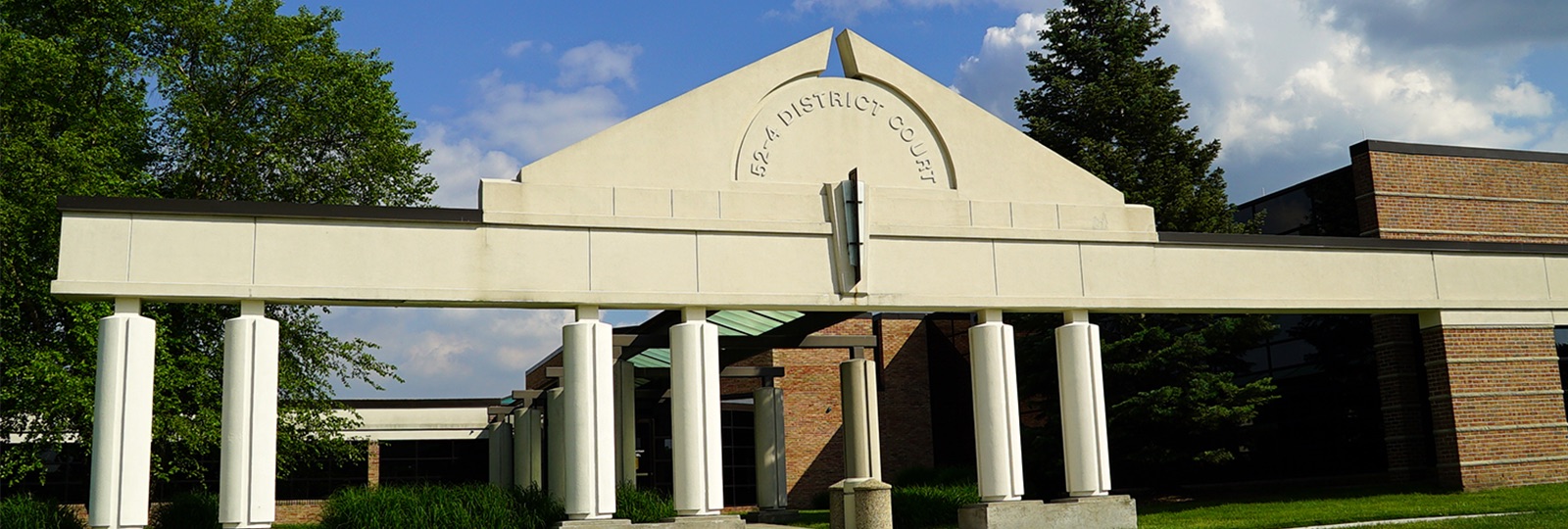
If your case is pending in the 52-4 District Court, understanding how this court operates can help reduce uncertainty and allow you to make informed decisions. Each judge has a distinct approach, and knowing how the court functions is an important part of building an effective defense.
52-4 District Court
520 W Big Beaver Rd
Troy, Michigan 48084
Meet the Judges
Judge Kirsten Hartig
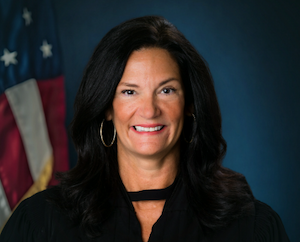
Judge Hartig is a former defense attorney and is widely regarded as fair in her rulings. She places a strong emphasis on helping individuals address underlying issues and pursue treatment when appropriate.
This approach can sometimes result in more bond or probation conditions than in other courts in Oakland County. She is also very attentive to courtroom decorum, so it is important to be well prepared, appropriately dressed, and respectful when appearing before her.
**Judge Hartig is currently presiding over a limited docket; a visiting judge hears most of the cases assigned to her.
Judge Maureen McGinnis
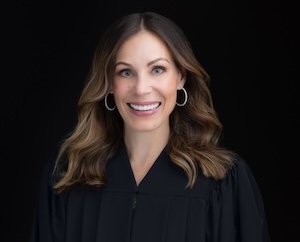
Judge McGinnis is known as a reasonable and steady judge. She provides a fair trial process, although she may be less inclined to grant defense motions than Judge Hartig.
She is a strong proponent of sobriety court and is often willing to help individuals who are seeking treatment access the support they need. Overall, both judges in this court are considered favorable compared to many others in Oakland County.
Who Prosecutes Cases in This Court?
Many criminal matters in the 52-4 District Court are prosecuted by the Oakland County Prosecutor’s Office. The court also covers multiple municipalities, including Troy and Clawson, each of which has its own city attorney.
- Prosecutors are typically assigned to specific judges, although assignments may shift
- Dismissals and significant charge reductions generally require supervisory approval
- The Oakland County Prosecutor’s Office and Troy City Attorney’s Office often take a firm stance in criminal matters
- Certain ordinance violations may be handled by municipal attorneys within the court’s jurisdiction
In many cases, the best outcomes come from being fully prepared to take a case through trial, even if it ultimately resolves earlier in the process.
Arraignments: Your First Court Date
Unlike many other courts, arraignments in the 52-4 District Court are generally not waived. This means:
- Your in person appearance is typically required
- Your attorney will attend with you and prepare you for what to expect
- Bond conditions are set by the Magistrate based on each judge’s general approach
Bond conditions often include an initial drug screen. Continued testing may depend on the results of that first test. Alcohol testing may be required depending on the nature of the charge, but it can also be imposed in non-alcohol related cases.
Common bond conditions include:
- No alcohol or illegal drugs
- No new criminal offenses
- Travel restrictions without prior approval
- Alcohol and drug testing in most criminal cases
Assaultive offenses, domestic violence allegations, felony matters, weapon charges, and cases involving protective orders may include no contact orders, GPS monitoring, structured supervision, or a cash bond requirement.
Pretrial Conferences: Building Your Defense
After the arraignment, the court schedules a pretrial conference.
In many misdemeanor matters, your appearance may be allowed via Zoom if you are located outside of the court’s jurisdiction.
Your attorney meets directly with the assigned prosecutor to:
- Review and analyze the evidence
- Ensure all evidence has been received or properly requested
- Identify constitutional and evidentiary issues
- Address potential motions
- Begin strategic negotiations
Most cases are then scheduled for additional pretrials, motion hearings, or jury selection within the following weeks.
Final Pretrial and Trial: A Critical Decision Point
Final pretrial conferences often determine the direction of your case.
If an agreement is reached:
- A plea is entered and a sentencing date is scheduled
- A probation interview is typically required prior to sentencing
- In certain OWI cases, same day plea and sentencing may be permitted if evaluations are completed in advance
If no agreement is reached:
- You may proceed to jury selection and trial
Specialty Treatment Courts
The 52-4 District Court offers specialty programs for individuals dealing with alcohol use, substance use, mental health challenges, or prior military service.
- Admission criteria apply and not every defendant qualifies
- You must be a resident of the court’s jurisdiction
- These programs require intensive testing, treatment, and frequent court reviews
- Successful completion may provide meaningful long term benefits
In some cases, participation may help avoid jail or provide access to a sobriety court driver’s license. These programs should be carefully evaluated to determine whether they are the right fit for your situation.
Why Experience in This Court Matters
Experience in the specific court where your case is pending can make a meaningful difference.
Barone Defense Firm regularly appears in the 52-4 District Court and understands how cases are handled here.
This familiarity allows for:
- Strategic decision making
- Efficient case handling
- Preparation aligned with each judge’s expectations
- Strong and informed courtroom advocacy
If your case is pending in the 52-4 District Court, working with a defense team that understands this court can help you move forward with greater clarity and confidence.
52-4 District Court Jurisdiction
The 52-4 District Court serves Troy and Clawson.