Search
 Michigan Criminal Defense Lawyer Blog
Gas Chromatography DUI Blood Tests in Michigan: How the Raw Data Can Create a Defense


Key point: A blood alcohol number is not self-proving. It is the final product of sample handling, instrument performance, laboratory protocols, and human interpretation.
What Is a Gas Chromatography DUI Blood Test?
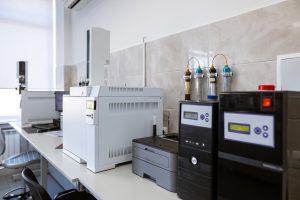 Gas chromatography is a scientific method used to separate and measure chemical compounds within a sample. In blood alcohol cases, the laboratory usually uses headspace gas chromatography with flame ionization detection. The instrument does not simply look at liquid blood and announce a number. The process is more indirect.
The blood sample is heated so that volatile compounds, including ethanol, move into the airspace above the liquid. That vapor is then introduced into the instrument. The instrument separates the compounds and produces a graphical record known as a chromatogram. The laboratory then uses that data to calculate the reported blood alcohol concentration.
This process can be highly reliable when properly performed. But reliability depends on the integrity of the entire process, not merely the reputation of the method.
Why the Final Gas Chromatography DUI Lab Report Is Only the Beginning
In many DUI blood cases, the police report or prosecutor’s file contains only the final reported alcohol concentration. That number may appear authoritative, but it does not show how the laboratory reached the result. It does not show whether the sample was properly prepared. It does not show whether the calibration performed correctly. It does not show whether the chromatogram contained unexpected peaks or other signs of analytical difficulty.
For that reason, defense lawyers who handle serious intoxicated driving cases often request the underlying laboratory materials. These materials may include chromatograms, calibration records, quality-control data, maintenance records, batch sequences, chain-of-custody documents, analyst notes, and the laboratory’s standard operating procedures.
Defense insight: In a gas chromatography DUI case, the defense must test the laboratory’s conclusion against the underlying scientific record. The final number tells the jury what the laboratory reported. They must decide if the test result is reliable and accurate. The raw data helps them determine whether the report deserves to be trusted.
What Can Go Wrong in Gas Chromatography Blood Testing?
Gas chromatography is not a single event. It is a sequence of procedures. Each step must be performed correctly before the final result can be treated as reliable evidence.
Potential problems may arise from the way the blood was collected, preserved, transported, prepared, analyzed, interpreted, and reported. A defense challenge may focus on the science of the method, but it may also focus on the foundation necessary to admit the result in court.
Sample Identity and Chain of Custody
Before the chemistry matters, the prosecution must establish that the tested sample is the defendant’s sample and that it remained properly identified throughout the process. A blood sample may pass through multiple hands before it reaches the laboratory. It may be collected by medical personnel or police-authorized personnel, packaged, stored, transported, logged, opened, sampled, tested, and retained.
If the documentation does not show a reliable chain of custody, the defense may have a foundational challenge. Even when the sample is ultimately admitted, gaps in documentation can affect the weight a jury gives the result.
Preservation and Storage Problems
Blood is a biological sample. It can change if it is not properly preserved and stored. Forensic blood kits ordinarily contain preservatives and anticoagulants intended to help protect the integrity of the sample. But those safeguards are only useful if the vials were not expired, were properly mixed, and were stored and transported appropriately.
If preservation fails, the defense may need to examine whether the sample changed between the time of the draw and the time of testing. In some cases, the issue is not whether the instrument detected ethanol. The issue is whether the reported ethanol accurately reflects the person’s blood alcohol level at the time relevant to the charge.
Calibration and Quality Control
A gas chromatograph must be calibrated and checked against known standards. These controls help determine whether the instrument was producing accurate and consistent results during the analytical run.
Calibration problems can arise when standards are improperly prepared, when quality-control samples fall outside acceptable limits, or when performance drifts during the batch. These issues may not appear on the short toxicology report. They may be visible only in the supporting laboratory data.
Practical defense question: Did the instrument perform reliably during this specific analytical run, or does the batch data show a reason to question the reported number?
Chromatograms and Peak Interpretation
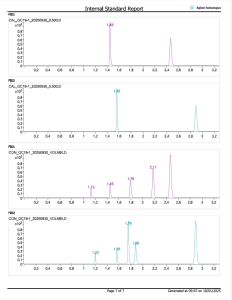 The chromatogram is one of the most important pieces of raw data in a blood alcohol case. It shows how compounds appeared during testing and whether the instrument separated them cleanly.
A clean chromatogram may support the laboratory’s conclusion. But irregularities may raise questions. Unexpected peaks, poor separation, unusual baseline activity, inconsistent internal standard performance, or signs of carryover may all require careful review.
This is where blood alcohol defense becomes technical. The issue is not simply whether the laboratory used gas chromatography. The issue is whether the chromatographic data actually supports the conclusion the prosecution wants the jury to accept.
The Analytical Batch Matters
A defendant’s sample is usually tested as part of a larger analytical batch. The performance of the samples tested before and after the defendant’s sample can matter. If a very high alcohol sample was tested immediately before the defendant’s sample, the defense may need to examine whether there is any indication of carryover. If quality-control samples changed during the run, the defense may need to examine whether drift occurred.
For this reason, the defense should not limit review to the defendant’s individual result. The broader batch data may show whether the laboratory process was stable.
Measurement Uncertainty and the Illusion of Exactness
A reported blood alcohol concentration is not an exact statement of truth. It is a measurement with uncertainty. That uncertainty may matter when the reported result is close to a legal threshold or enhanced penalty level.
Jurors may hear a number and assume that it is exact. A scientifically careful defense explains that laboratory measurements exist within ranges. The question is whether the prosecution can prove the required alcohol concentration beyond a reasonable doubt after accounting for the limitations of the measurement.
Human Judgment Still Matters
Gas chromatography is performed with sophisticated instruments, but the process still depends on human beings. Analysts prepare samples, operate instruments, review data, apply laboratory criteria, and report conclusions.
That means analyst training, documentation, and compliance with laboratory procedures matter. A defense lawyer reviewing a DUI blood test should examine whether the analyst followed the laboratory’s own protocols and whether any deviations were documented and explained.
Common Defense Themes in Gas Chromatography Cases
Every case turns on its own facts, but several recurring themes often appear in DUI blood test litigation. These include whether the blood draw was legally justified, whether the sample was properly collected and preserved, whether the chain of custody is complete, whether the instrument was properly calibrated, whether quality-control data supports the result, whether the chromatograms show clean separation, and whether measurement uncertainty affects the legal significance of the reported number.
These issues are not technical distractions. They go to whether the prosecution can establish that the reported blood alcohol result is reliable enough to be admitted and persuasive enough to prove the charge.
Attorney Insight: Why Raw Data Review Matters in a Gas Chromatography DUI Case
At Barone Defense Firm, blood alcohol evidence is not accepted at face value. The final report is treated as a conclusion that must be tested against the underlying data.
This approach matters because the most important issues in a blood test case are often not visible from the prosecutor’s summary. The chromatograms, batch sequence, quality-control records, and laboratory procedures may reveal weaknesses that are invisible from the final number alone.
In serious intoxicated driving cases, especially those involving injury, death, professional licensing consequences, or felony allegations, the defense cannot afford to treat laboratory evidence as unchallengeable. The science must be examined before the strategy can be trusted.
How This Fits With Other DUI Blood Test Defenses
Gas chromatography is one part of a larger blood testing defense. Other issues may involve the legality of the blood draw, whether police obtained a valid warrant, whether hospital records are being used instead of forensic blood testing, whether serum or plasma results were converted properly, and whether the timing of the test supports the prosecution’s theory.
For a broader discussion of blood testing issues, see our page on DUI blood testing in Michigan OWI cases. For a wider overview of chemical testing, including breath, blood, and urine testing, see our page on DUI testing in Michigan.
What Should You Do If Your Michigan DUI Case Involves a Blood Test?
If your case involves a blood alcohol result, it is important to act before the case strategy becomes centered on the prosecutor’s number. The defense should identify what laboratory materials exist, determine what must be requested, and evaluate whether expert review is needed.
A blood test result may be powerful evidence, but it is not immune from challenge. The central question is whether the prosecution can prove that the number is scientifically reliable, legally admissible, and strong enough to support the charge.
Facing a Michigan DUI Blood Test Case?
If you were charged with OWI after a blood test, Barone Defense Firm can review the laboratory process, the underlying data, and the legal foundation for the result.
Call 1-877-ALL-MICH (877-255-6424) for a confidential consultation.
Frequently Asked Questions About Gas Chromatography in DUI Cases
Is gas chromatography always accurate in a DUI blood test?
Gas chromatography can be accurate when the sample is properly collected, preserved, analyzed, and reported. The defense question is whether those requirements were actually satisfied in the specific case.
Can a lawyer challenge a blood alcohol result from gas chromatography?
Yes. Challenges may involve the legality of the blood draw, chain of custody, sample preservation, calibration, quality-control data, chromatogram interpretation, measurement uncertainty, or analyst compliance with laboratory protocols.
Why are chromatograms important in a DUI blood test?
Chromatograms show the underlying instrument data behind the reported result. They may reveal whether the alcohol peak was clean, whether unexpected peaks appeared, or whether other analytical issues require further review.
Does the final toxicology report show everything the defense needs?
No. The final report usually gives the reported result, but it often does not include the full batch data, chromatograms, calibration records, quality-control records, maintenance history, or analyst notes needed for a complete defense review.
About Patrick T. Barone
 Patrick T. Barone is the founding partner of Barone Defense Firm and has spent more than thirty-five years defending intoxicated driving cases throughout Michigan, including cases involving serious injury or death. His work has focused extensively on forensic evidence, particularly blood alcohol testing, breath testing, and the scientific foundations of DUI prosecutions.
Mr. Barone has lectured nationally on gas chromatography, forensic toxicology, and DUI blood testing for criminal defense organizations and continuing legal education programs. He has written extensively on forensic alcohol testing, including journal articles and published materials addressing chromatographic analysis, laboratory procedure, measurement uncertainty, and scientific challenges to blood alcohol evidence.
He is the author of Defending Drinking Drivers, one of the leading treatises on intoxicated driving defense in the United States, which includes discussion of gas chromatography and forensic blood alcohol analysis. Before attending law school, Mr. Barone completed undergraduate studies in biology on a pre-medical track, a background that continues to influence his approach to scientific evidence and forensic cross-examination.
Mr. Barone regularly teaches lawyers how to critically examine laboratory evidence rather than simply accepting reported blood alcohol numbers at face value. His work combines scientific analysis, trial strategy, and emerging technology, including the responsible use of artificial intelligence in criminal defense litigation through his Substack, AI on Trial.